

-
 SHOPPING CART item - 0
| ISBN | 9789351250722 |
| Binding | Hard Bound |
| Pages | VII, 117 |
| Year of Publication | 2014 |
| Language | English |
| Size | 23 cms |
| Subject | Economics , Psychology |
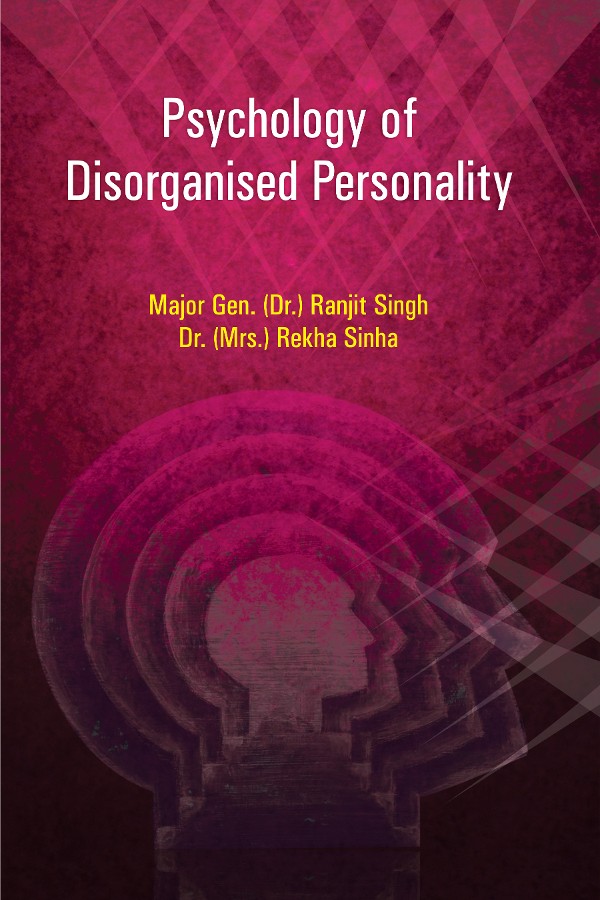
The main aim of this book is to describe typical present day problems (Alcoholics, Beggars, Criminals and Prostitutes) in the setting of Indian society. In this study tools of empirical research were applied to differentiate socially disorganized groups (Alcoholics, Beggars, Criminals and Prostitutes) from normal people on the basis of personality variables. The book has four chapters. The first is introductory, the second deals with the sample, the tests used and the procedure of the study. Results and discussion thereof have been given in the third chapter. Chapter four provides the summary, limitations of the study and some suggestions for future researches.
Ranjit Singh, AVSM, VSM (Retd.) and Professor Emeritus was born on 5 June, 1953 and was commissioned into the Army Educational Corps of the Indian Army on 16 December, 1978 and retired from active service on 30 June, 2012. Prior to joining the coveted position as Vice Chancellor of Central University of Haryana on 22 August, 2013, he held the position of the Vice Chancellor, The Global Open University, Nagaland and has served as a Nominated Educationist Member of the Navodaya Vidyalaya Samiti. He is also holding the position of the President of NEHA Foundation, an NGO dedicated to enhancing women empowerment curbing foeticide, developing the personality of youth and welfare of retired defence personnel and martyrs.
Rekha Sinha (b. 1958) is currently Professor of Psychology, T.M. Bhagalpur University, Bhagalpur. She has contributed more than 20 research papers to the reputed national and international journals of Psychology and other social-sciences. She has completed two UGC Major Research Projects and has also authored one book, entitled : Organised and Disorganised Personality : A Comparative Study. Organizational, Industrial & Environmental Psychology are the areas of her interest in research.


