

-
 SHOPPING CART item - 0
| ISBN | 9789351251996 |
| Binding | Hard Bound |
| Pages | XII, 484 |
| Year of Publication | 2016 |
| Language | English |
| Size | 23 cms |
| Subject | Sociology |
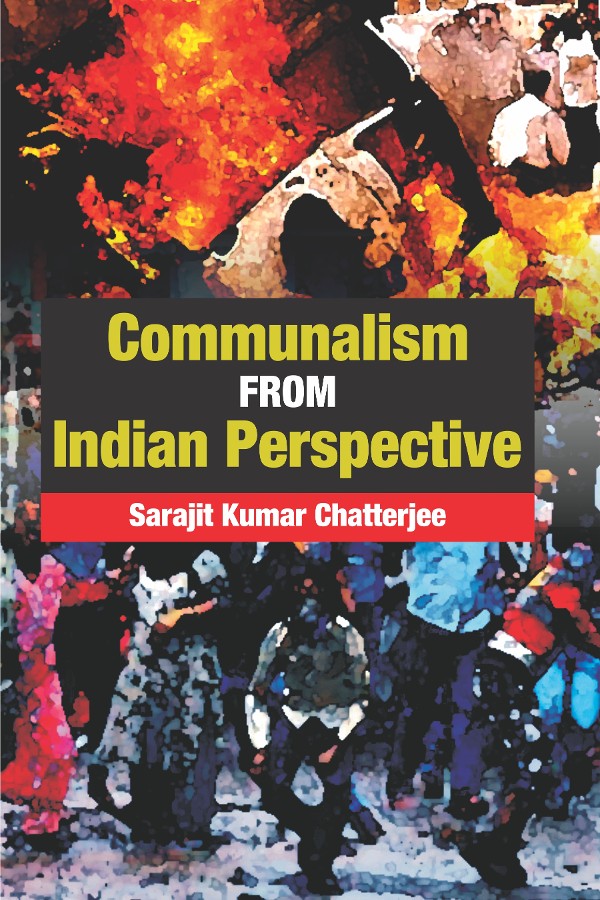
A pluralistic country like India has become the playground of communalism. In spite of its vivisection on the basis of religion in 1947, India could not, rather did not, insulate itself from the virus of communalism. There are many reasons for the growth and sustenance of communalism in free ‘secular’ India. Perhaps our Constitution is no less responsible for this. The Framers of the Constitution might have wanted to usher in a true secular India, but their obsession with communalism stood in the way. They weighed everything from a communal angle. As a result they incorporated several community-specific provisions which benefited particular religious communities and at the same time, shied away from incorporating those provisions in the Constitution which would have put a death nail to the coffin of communalism. What is more ominous is that they never realised that their actions and non-actions would give a fresh lease of life to communalism and that there would be polarisation of the communities on the basis of religion in post-independent India as well.
For more than three decades, Sarajit Kumar Chatterjee, a former member of the Indian Police Service, has been consistently engaged in in-depth studies of policies that continue to have an impact on all Indians. His earlier books include Communalism and Constitution, Disintegration and Constitution, Panchayati Raj and views of the Founding Fathers, Governor's Role in Indian Constitution, The Scheduled Castes in India, Educational Development of Scheduled Castes: Looking Ahead, North-East India: Disintegration and Discontent, SCs, STs and OBCs in the Indian Polity, Communalism from Indian Perspective and Citizenship Infiltration and NRC.


